

5/26/2025
By New Wave
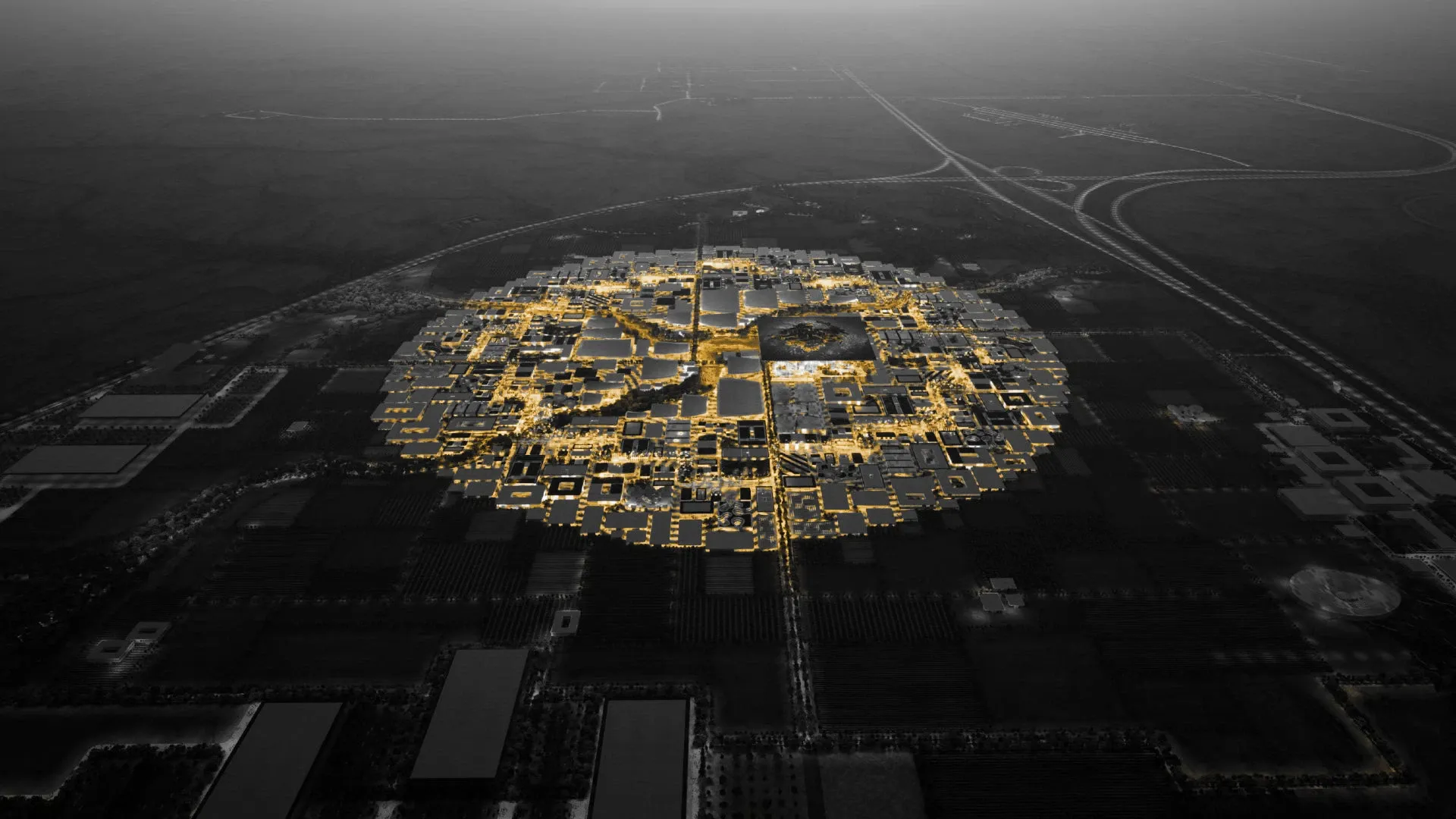
Saudi Arabia's successful bid to host Expo 2030 in Riyadh is a landmark achievement, symbolizing the Kingdom's ambitious global vision and its rapidly evolving capabilities as a host for mega-events. This prestigious undertaking, alongside aspirations for other global spectacles like the FIFA World Cup, places an immense focus on the nation's event management infrastructure, logistical prowess, and technological adoption. From an event management perspective, preparing for Expo 2030 and similar future endeavors involves a multifaceted strategy encompassing massive infrastructure development, sophisticated logistical planning, cutting-edge technology integration, and the cultivation of a world-class event workforce. This article examines these critical components and what they signify for the future of events in the Kingdom.
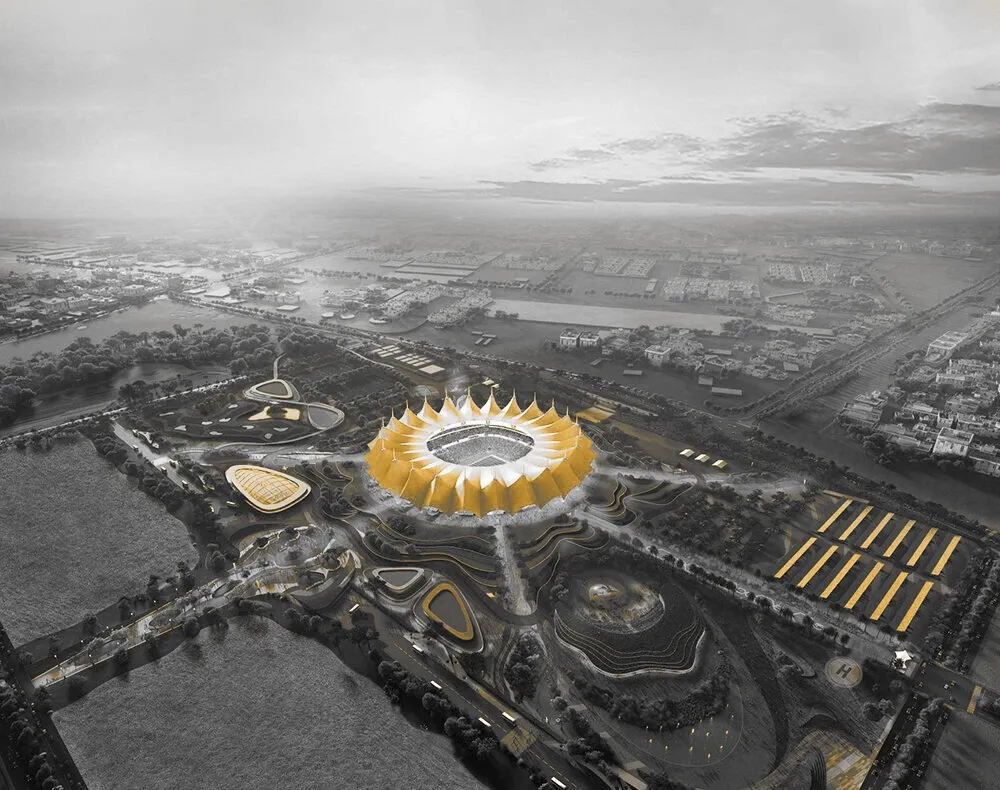
Hosting an event the scale of Expo 2030, which is expected to attract tens of millions of visitors, necessitates a colossal investment in infrastructure. Saudi Arabia is already making significant strides:
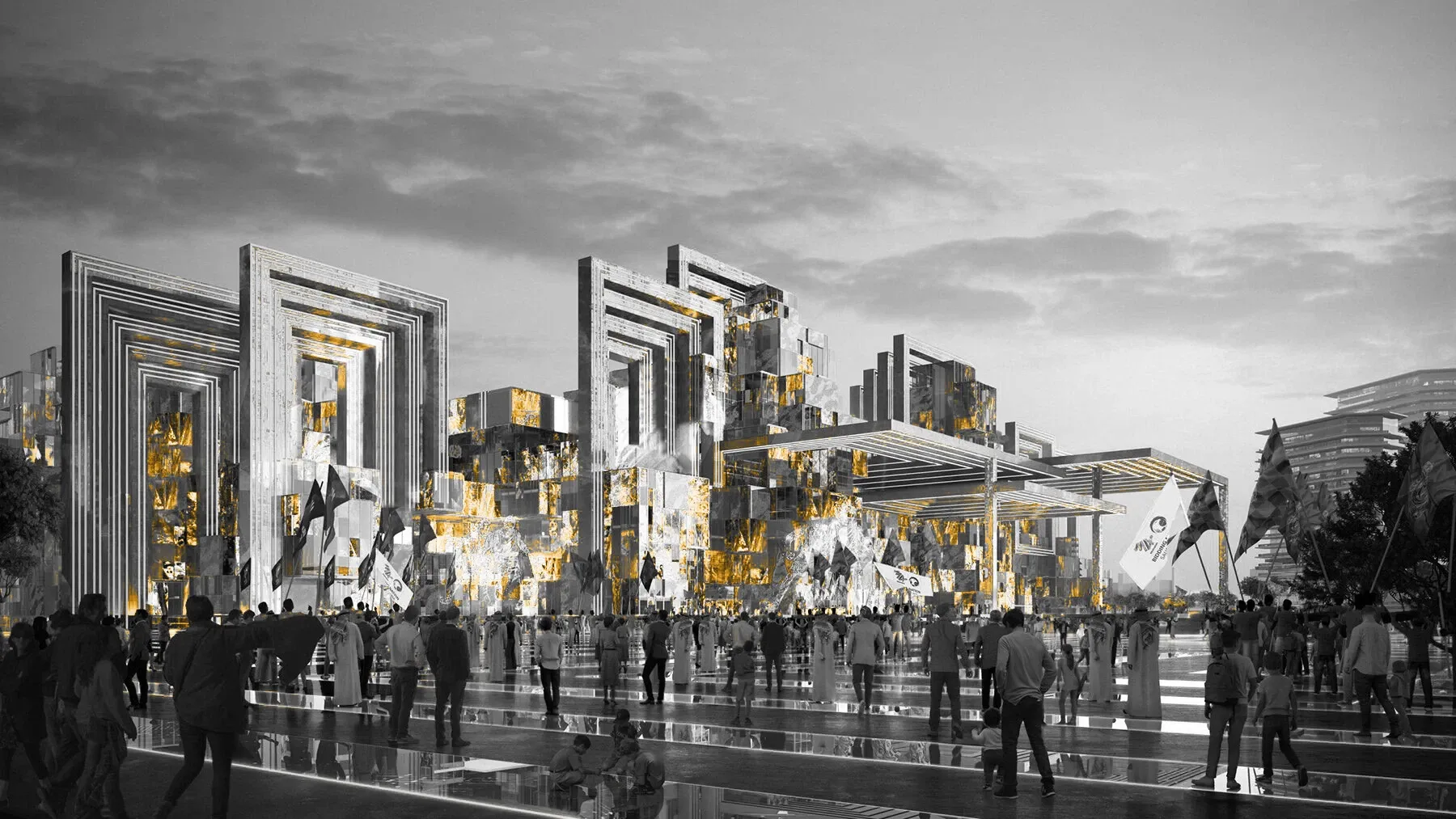
The logistical challenges of hosting Expo 2030 are immense, requiring meticulous planning and coordination across numerous domains:
Technology will be the invisible yet indispensable force powering Expo 2030 and future Saudi mega-events:
A critical component of Saudi Arabia's preparedness is the development of a skilled national workforce capable of planning, managing, and executing world-class events. Initiatives like the National Events Center's "Event Pioneers program" aim to train young Saudis in key disciplines such as event content, protocol management, visitor experience, and event operations. This focus on human capital development is crucial for the long-term sustainability and success of the Kingdom's event industry.
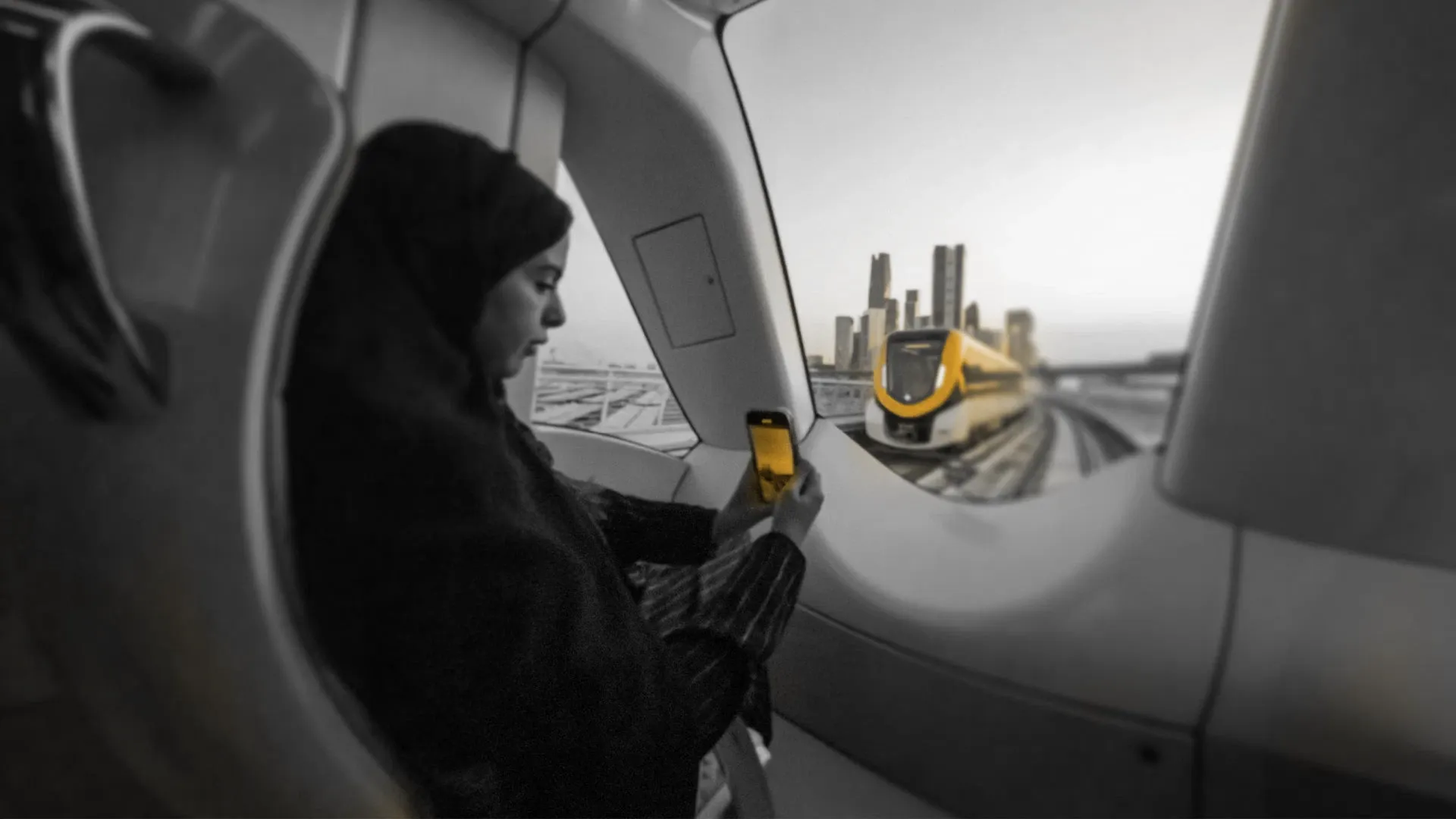
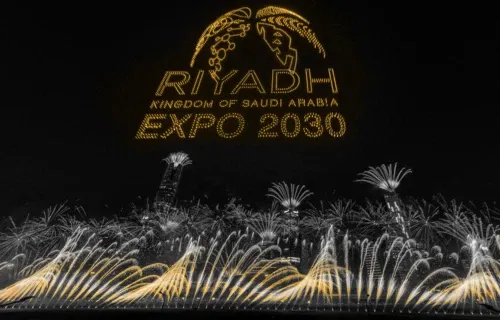
The preparations for Expo 2030 Riyadh will create a lasting legacy, significantly enhancing Saudi Arabia's capacity to host a wide range of international events, from major sporting tournaments like a potential FIFA World Cup to large-scale industry conferences and cultural festivals. The infrastructure built, the logistical expertise gained, and the technological advancements adopted will position the Kingdom as a formidable player on the global events stage for decades to come.
Conclusion:
Saudi Arabia's journey towards hosting Expo 2030 in Riyadh and other future mega-events is a testament to its bold vision and unwavering commitment. From an event management perspective, this entails a monumental effort in infrastructure development, logistical planning, technological integration, and human capital cultivation. The successful delivery of these global spectacles will not only showcase the Kingdom's achievements under Vision 2030 but also solidify its position as a premier destination for international events, creating a vibrant and sustainable event ecosystem. New Wave is excited to contribute its expertise to this transformative era.